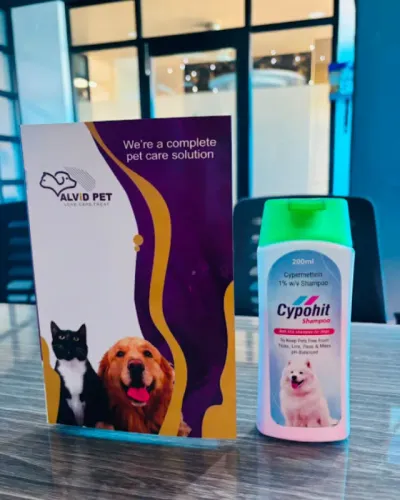

Selecting a supplier affects far more than the purchase price of individual products. Availability, product diversity, packaging, order fulfilment, and communication can influence a retailer's ability to serve customers consistently.
Pet stores evaluating pet products suppliers in Ambala should therefore use a structured selection process.
Review the Product Portfolio
Begin by assessing whether the supplier's range corresponds with actual customer demand.
A useful portfolio might include products across areas such as general nutrition, vitamins and minerals, digestive support, skin and coat care, pet syrups, and other pet care requirements.
A broad catalogue can be useful, but relevance matters more than the total number of products.
Check Product Presentation
Retail products need clear, practical packaging.
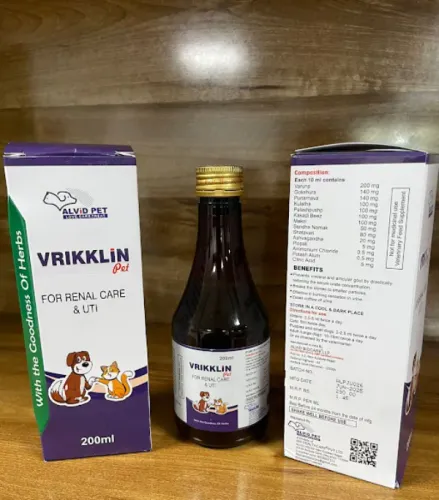
Retailers should inspect whether labels provide essential information about the formulation, intended use, directions, storage, and manufacturer.
Packaging should also be appropriate for handling, shelf display, and customer use.
Consider Supply Reliability
Stockouts can affect both retailers and repeat customers.
Before establishing regular orders, discuss:
- Typical order processing
- Product availability
- Minimum order requirements
- Pack configurations
- Dispatch arrangements
- Supply communication
- Procedures for damaged shipments
For businesses serving customers across Haryana, logistics should be considered alongside product selection.
Evaluate Communication
Supplier responsiveness becomes particularly important when a retailer needs product information or has an order-related issue.
Alvid Pet, based in Ambala, operates within the pet care products and supplements manufacturing segment. Retailers assessing the company or another supplier should consider how clearly product, ordering, and distribution information is communicated.
Understand Commercial Terms
Price matters, but it should not be evaluated in isolation.
Retailers should understand purchase quantities, available margins, payment terms, freight considerations, product movement, and inventory requirements.
An inexpensive product that rarely sells can occupy working capital and shelf space. A more useful approach is to consider overall product-market fit.
Start With a Focused Assortment
New retailers do not necessarily need to order every available product immediately.
Starting with a focused selection allows the store to measure demand before expanding inventory. Sales data can then reveal which categories justify repeat orders.
This approach can be especially useful for pet stores serving a defined neighbourhood or customer base in Ambala.
Build Around Long-Term Consistency
A productive retailer-supplier relationship depends on predictable product information, sensible inventory planning, communication, and dependable fulfilment.
Choosing a pet products supplier should therefore be treated as a business decision rather than a simple price comparison. Retailers that evaluate the range, packaging, supply capability, terms, and local market relevance are better positioned to build an assortment that customers genuinely need.
Keywords