
Pet retail has expanded beyond food, collars, toys, and grooming accessories. Customers increasingly ask retailers about nutritional supplements, liquid formulations, skin and coat products, and general wellness products.
For pet stores in Ambala, creating a well-planned pet products range can improve product relevance without filling shelves with unnecessary duplication.
The key is to stock according to customer requirements rather than simply carrying the largest possible catalogue.
Start With Core Consumer Needs
Retailers should first identify what customers regularly request.
Common nutritional product categories may include:
- Multivitamin supplements
- Mineral and calcium formulations
- Skin and coat products
- Digestive support products
- General wellness supplements
- Pet syrups
- Life-stage nutritional products
These categories can provide a practical foundation before adding more specialised items.
Avoid Excessive Product Duplication
Carrying five nearly identical products does not necessarily create a better assortment.
Compare formulations, pack sizes, intended uses, and administration formats. A thoughtful selection can give customers meaningful alternatives without creating confusion.
This is particularly important for independent pet retailers where shelf space and inventory investment need to be managed carefully.
Evaluate Product Information
Before adding a product to inventory, retailers should review whether essential information is clearly presented.
Look for:
- Ingredient information
- Intended application
- Directions for use
- Storage instructions
- Pack details
- Manufacturer information
- Batch and expiry information where applicable
Clear labelling also helps store staff answer basic product-related questions without making inappropriate health claims.
Assess the Manufacturer
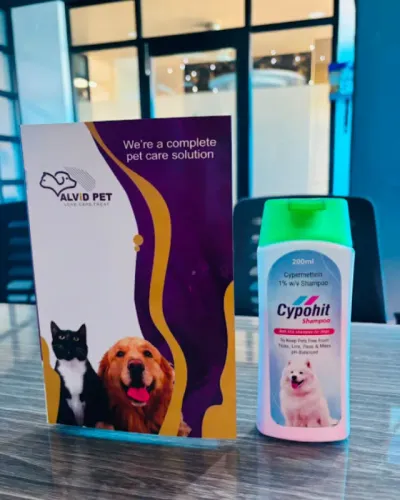
Alvid Pet operates in the pet care products and supplements segment and serves customers from Ambala, Haryana. For retailers evaluating any manufacturer, consistency of supply, product portfolio, packaging, communication, and commercial terms are important considerations.
Retailers should also understand ordering requirements before expanding a range.
Train Staff Around Product Purpose
Retail staff do not need to diagnose animal health problems to provide useful product information.
Instead, employees can be trained to explain what a product is intended for, where instructions appear, available pack sizes, and when a customer should discuss a health concern with a veterinarian.
This creates a more responsible sales environment.
Review What Actually Sells
Inventory decisions should evolve with demand.
Track which categories have regular repeat purchases, which products remain unsold, and which requests cannot currently be fulfilled. Seasonal changes and local pet ownership patterns can also influence demand in Ambala and nearby Haryana markets.
A successful pet products range is not necessarily the largest. It is one that balances genuine customer demand, reliable product information, manageable inventory, appropriate product variety, and dependable supply.
Keywords