The increasing availability of supplements gives pet owners more options, but it also makes poor purchasing decisions easier. A colourful label or impressive ingredient list does not automatically indicate that a product is appropriate for a particular animal.
Pet owners in Ambala can make better choices by recognising several common mistakes before buying a pet supplement.
Buying Without Identifying a Real Need
A supplement should have a clear purpose.
Purchasing vitamins, minerals, digestive formulations, and coat products simply because they appear beneficial can lead to unnecessary product use.
First consider the pet's diet, age, activity, and existing nutritional requirements.
Using Several Similar Supplements Together
Ingredient overlap deserves attention.
For example, two different products may both provide vitamins or minerals. Using them simultaneously without checking their composition can result in duplication.
Keep a list of products currently being administered and compare their labels before introducing another supplement.
Ignoring Usage Instructions
More is not automatically better.
Pet supplement quantities should follow the product directions or veterinary guidance. Owners should avoid increasing quantities in an attempt to obtain quicker results.
This is particularly important with concentrated liquid products and nutritional formulations.
Choosing Solely on Marketing Claims
Words such as premium, advanced, complete, or powerful should not replace careful product evaluation.
Instead, check tangible information such as ingredients, intended use, administration directions, packaging, manufacturer details, and storage requirements.
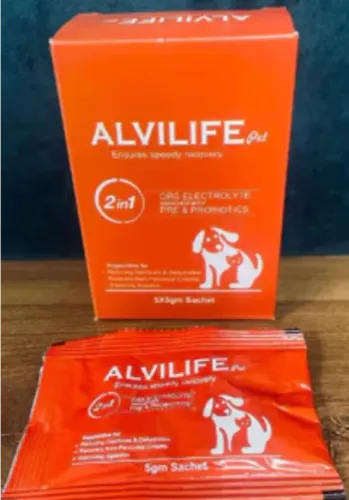
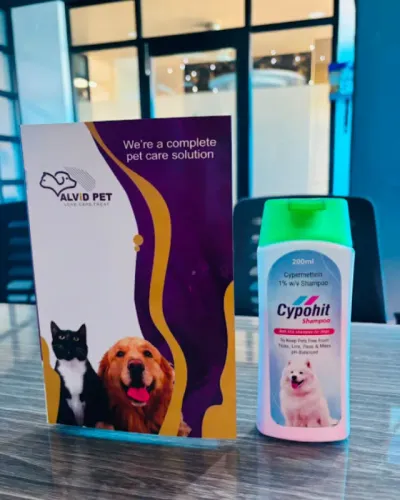
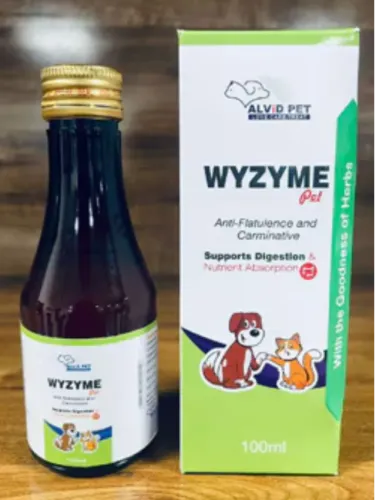
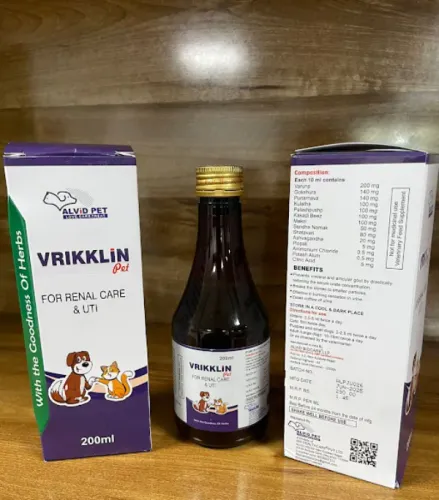
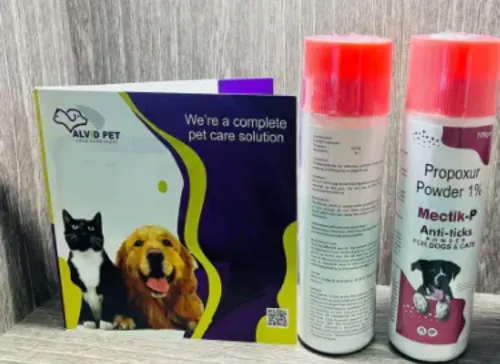
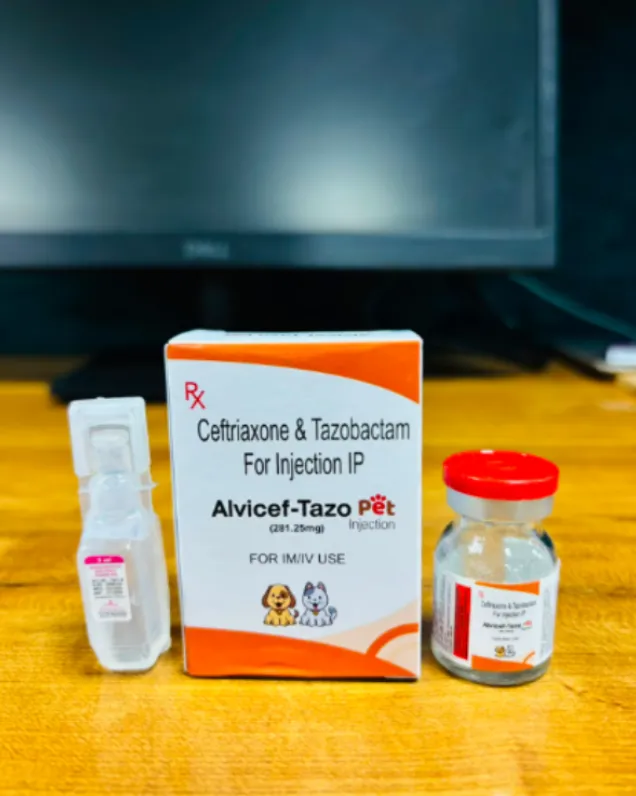
Alvid Pet manufactures pet products and supplements in Ambala for the pet care market. Regardless of brand, informed buyers should focus on product suitability rather than promotional wording alone.
Treating Supplements as a Replacement for Veterinary Care
A supplement is not an appropriate response to every symptom.
Persistent vomiting, diarrhoea, appetite loss, sudden weight changes, severe itching, unusual tiredness, mobility problems, or other concerning changes need proper assessment.
Attempting several supplements while delaying veterinary evaluation can make it harder to identify the underlying issue.
Forgetting About Storage
Correct use continues after purchase.
Pet products should be stored according to their labels. Containers should be properly closed and protected from conditions that may affect product quality.
Flavoured supplements should be kept somewhere pets cannot access independently.
Copying Another Pet’s Routine
A supplement recommended for a friend's dog may not be appropriate for yours.
Breed, body size, age, diet, medical history, and activity level can all differ. Even animals living in the same household can have different requirements.
Pet owners across Ambala and Haryana now have substantial choice within the pet care market. That choice is most useful when combined with careful label reading and sensible product selection.
Avoiding unnecessary supplementation, ingredient duplication, incorrect quantities, and symptom-based self-selection can make pet care routines more responsible and easier to manage.
Keywords