For a pet store, distributor or veterinary-focused retail operation, choosing a reliable Pet Supplement supplier involves more than comparing product prices. The supplier becomes part of the business's inventory cycle, customer experience and ability to respond to changing demand.
This is particularly relevant in Ambala, where the pet-care market is becoming more varied and customers are increasingly asking for products designed around specific wellness needs.
Start With Your Customer Mix
A store serving mainly dog and cat owners may require a different portfolio from a business supplying veterinary clinics or other retailers.
Review previous enquiries and sales patterns. Identify the product categories customers request most often and the gaps currently causing lost sales.
This provides a practical basis for supplier evaluation.
Look for Clearly Positioned Products
Each supplement should have a defined purpose.
If staff cannot easily explain how one product differs from another, customers are likely to face the same confusion. Clear product positioning makes shelf organization, staff guidance and customer selection easier.
Assess Ordering and Replenishment
A product may sell well initially, but its long-term commercial value depends partly on whether stock can be replenished when required.
Ask about ordering processes, available pack configurations and supply arrangements. Retailers should also understand their own stock movement before increasing order quantities.
Calculate Value Beyond Purchase Price
Low acquisition cost does not always produce better commercial value.
Consider factors such as customer demand, repeat-purchase potential, inventory movement, storage needs and the number of units likely to remain unsold.
For smaller pet businesses in Haryana, efficient inventory turnover can be more valuable than maintaining an unnecessarily broad catalogue.
Review Supplier Communication
Product details need to be clear enough for staff and professional buyers to understand.
Reliable communication is especially useful when introducing new products, answering retailer questions or planning future purchases.
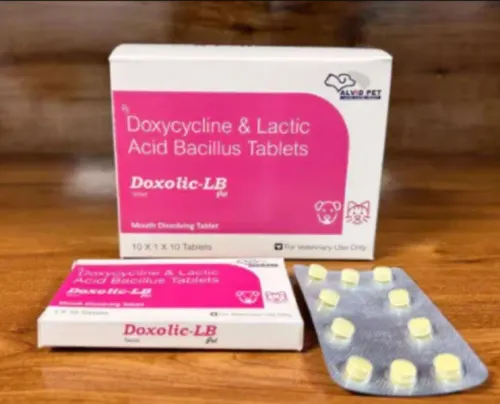
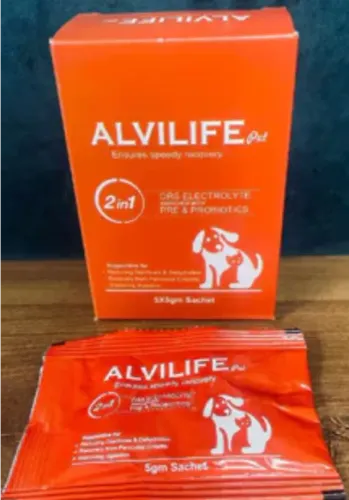
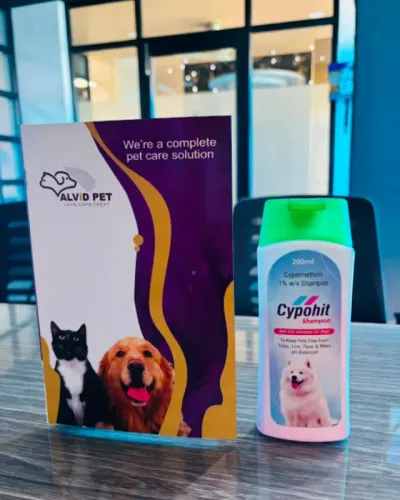
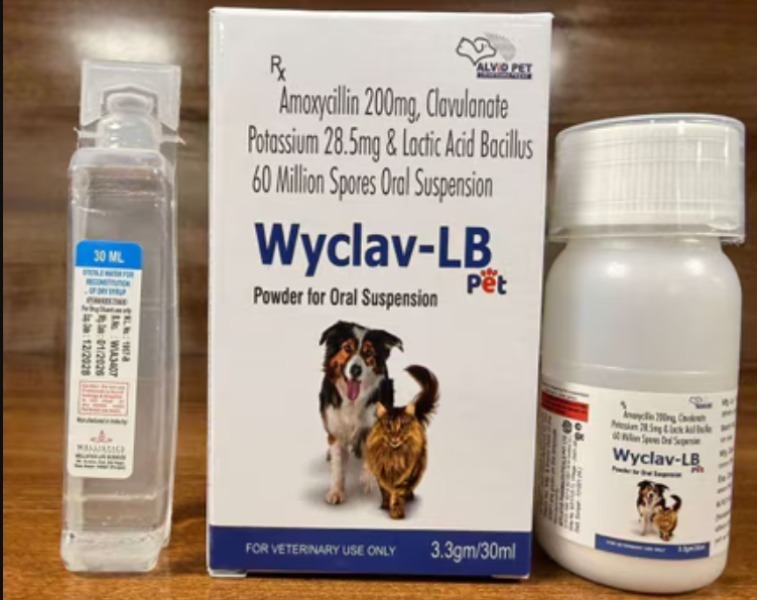
Alvid Pet manufactures products within the pet-care and supplement segment and serves a market that includes pet owners, retailers and veterinary-related buyers.
Businesses considering the company can evaluate its available portfolio according to their own customer requirements and commercial priorities.
Build the Range Gradually
A new retailer does not necessarily need every available product immediately.
Beginning with categories supported by existing demand can reduce inventory risk. Sales data can then guide expansion into additional products.
For Ambala businesses, this approach provides a practical way to respond to the growing pet-care sector without overextending inventory.
The right supplier should support a product mix that makes sense for the business's customers. Clear product positioning, dependable replenishment and a commercially relevant range are stronger readiness indicators than catalogue size alone.
Keywords