
The pet care sector offers opportunities for retailers, distributors, veterinary-sector businesses, and entrepreneurs, but a successful product business requires more than filling shelves with popular items.
The foundation is a carefully planned pet range in Ambala that corresponds with real customer demand and can be replenished reliably.
Businesses preparing to enter or expand within this category should approach product selection as an inventory and customer-needs decision.
Define Who You Want to Serve
A pet store serving individual owners requires a different assortment from a distributor supplying multiple retail outlets.
Start by identifying your primary customers:
- Individual pet owners
- Independent pet stores
- Veterinary-sector buyers
- Grooming businesses
- Regional distributors
- Other pet care businesses
Once the audience is clear, choosing relevant product categories becomes easier.
Build Around Essential Categories
Avoid launching with an unnecessarily large inventory.
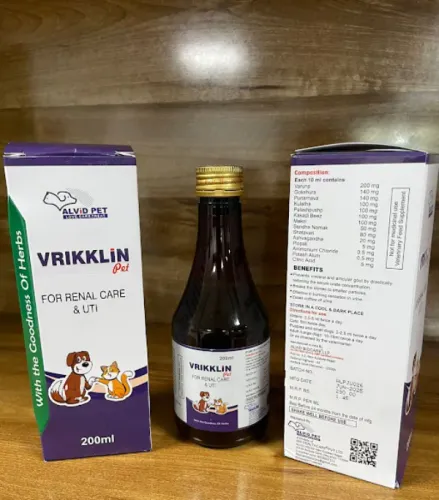
Depending on customer demand, an initial range could cover nutritional supplements, pet syrups, general wellness products, skin and coat products, digestive support, and relevant vitamin or mineral formulations.
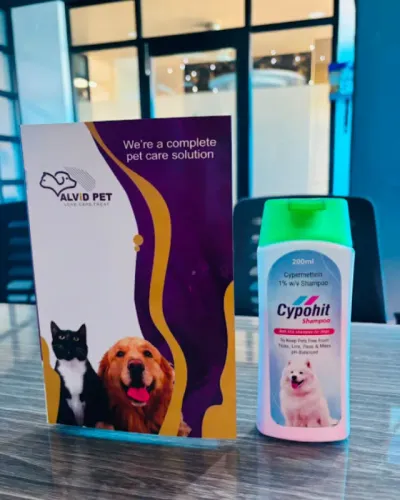
Alvid Pet, based in Ambala, manufactures products within the pet care and supplement segment for businesses evaluating sourcing opportunities.
Before placing an order, buyers should review the current range and determine which products fit their specific sales channel.
Plan Inventory Around Demand
One of the biggest challenges for a new retailer is balancing availability with cash flow.
Too little inventory can lead to missed sales, while excessive stock ties up working capital.
A simple approach is to classify products according to expected movement:
- Core products requiring regular availability
- Secondary products kept in moderate quantities
- Specialised products ordered according to demand
Actual sales data can gradually replace initial assumptions.
Understand Your Numbers
Product profitability involves more than the difference between buying and selling price.
Consider transportation, storage, damaged stock, unsold inventory, operating expenses, and applicable taxes. These costs affect the actual commercial performance of the range.
Retailers should also monitor repeat purchase patterns because repeat demand can provide useful insight into which categories deserve greater shelf space.
Prioritise Responsible Product Communication
Pet supplements should be presented according to their intended purpose without unsupported treatment or cure claims.
Store teams can explain ingredients, directions, available formats, and basic product information while referring health-related questions to qualified veterinary professionals.
This protects both customers and the credibility of the business.
Prepare Before Approaching a Manufacturer
A business buyer is better positioned to discuss supply when basic requirements are already clear.
Know your preferred categories, approximate quantities, target market, operating location, and expected order frequency. This allows a manufacturer to provide more relevant commercial information.
For businesses in Ambala and across Haryana that are ready to develop a pet care product portfolio, Alvid Pet can be approached to discuss its current pet range, available pack options, ordering requirements, and supply arrangements. Evaluating these details against genuine market demand is the most practical way to determine whether the range suits your business.
Keywords